# Istanbul's Most Comprehensive Home Renovation Guide 2026: Complete Process from Demolition to Painting
Before starting the home renovation process in Istanbul, it is critically important to plan all stages in detail. In this mega-guide, we address every stage of the home renovation process in Kadıköy, Bakırköy, Üsküdar, Şişli, and all Istanbul districts, with technical details from a master's perspective. All processes from demolition to plumbing, electrical, plaster, ceramic, flooring, and painting work are in this guide.
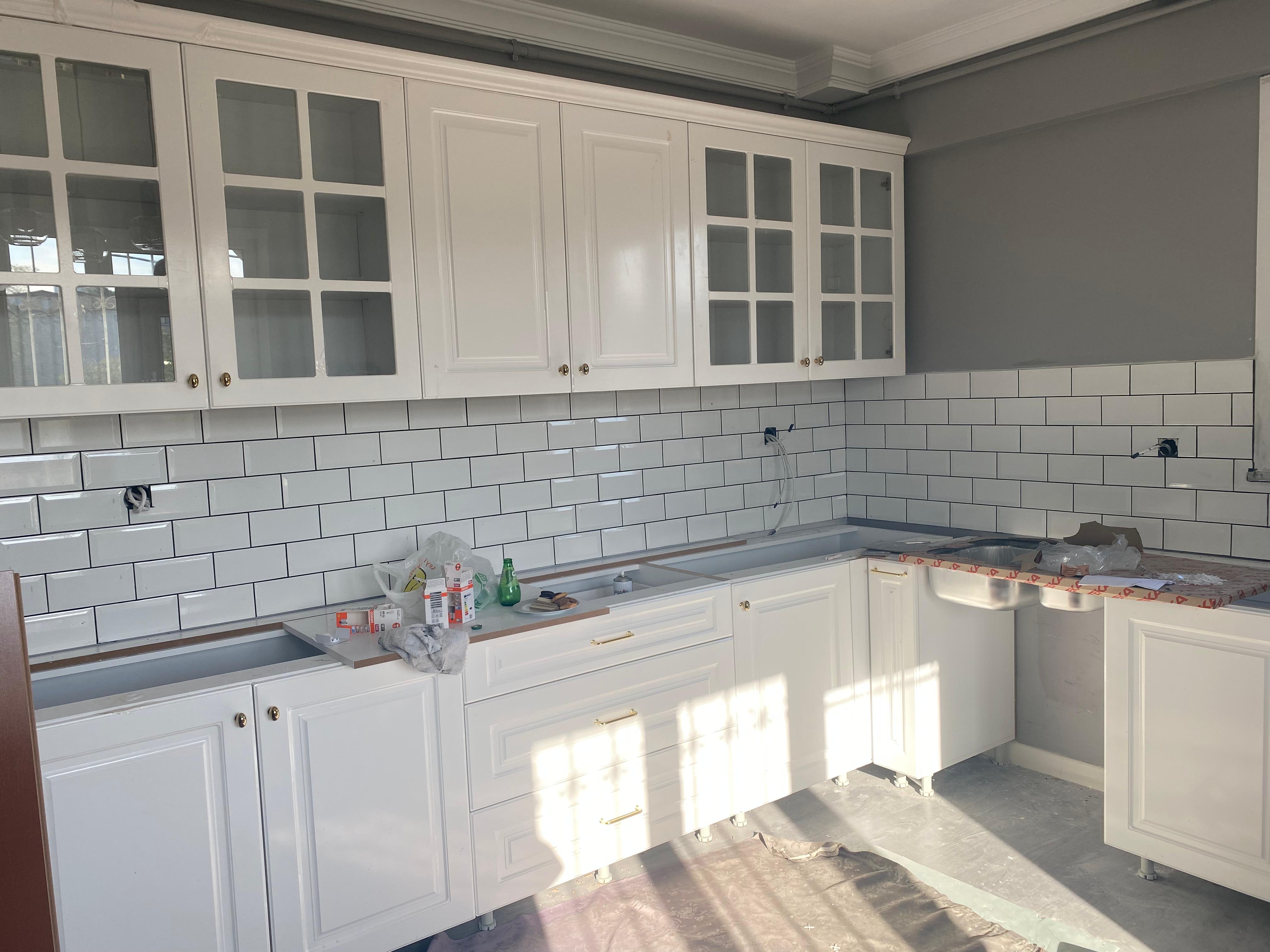
Before Starting the Home Renovation Process: Planning and Preparation
The most important key to success in home renovation projects in Istanbul is detailed planning. In every project, we follow these steps with our clients:
1. Site Visit and Analysis Stage
The structural characteristics of apartments in districts like Kadıköy, Bakırköy, and Üsküdar vary. In the site visit stage, we evaluate:
- Structural Condition: Building age, earthquake safety, load-bearing system condition
- Existing Plumbing: Condition of water, electrical, and natural gas systems
- Insulation Condition: Current status of thermal, sound, and water insulation
- Building Management Rules: Working hours, debris removal, elevator usage
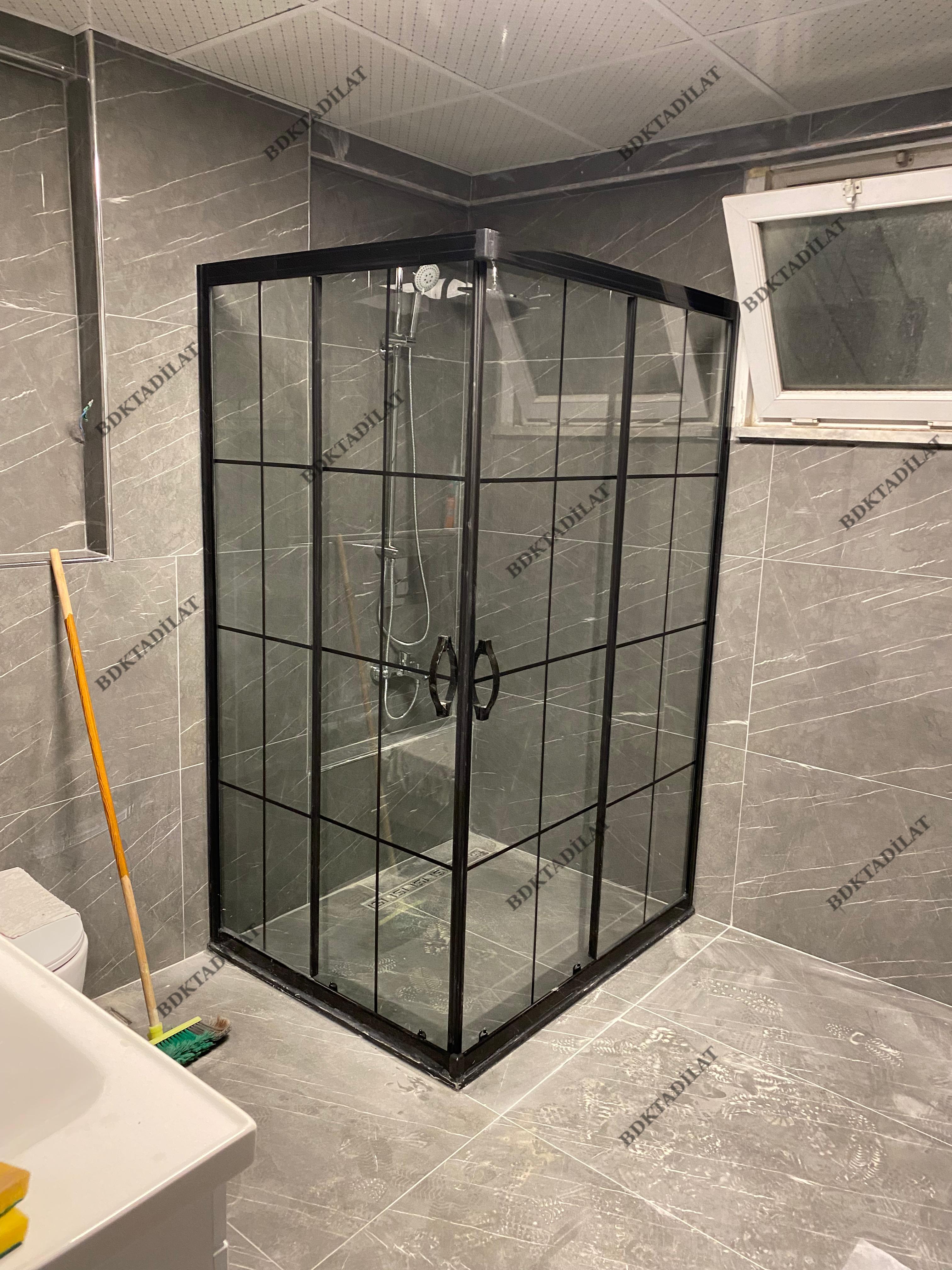
2. Budget Planning and Material Selection
In 2026, Istanbul home renovation costs range from 4,000 - 12,000 TL per square meter. Factors creating this difference:
- Material Quality: Local brands vs imported brands
- District Differences: Labor costs are higher in central districts like Beşiktaş and Şişli
- Renovation Scope: Partial vs complete renovation
- Custom Design Requirements: Custom sizes, custom materials
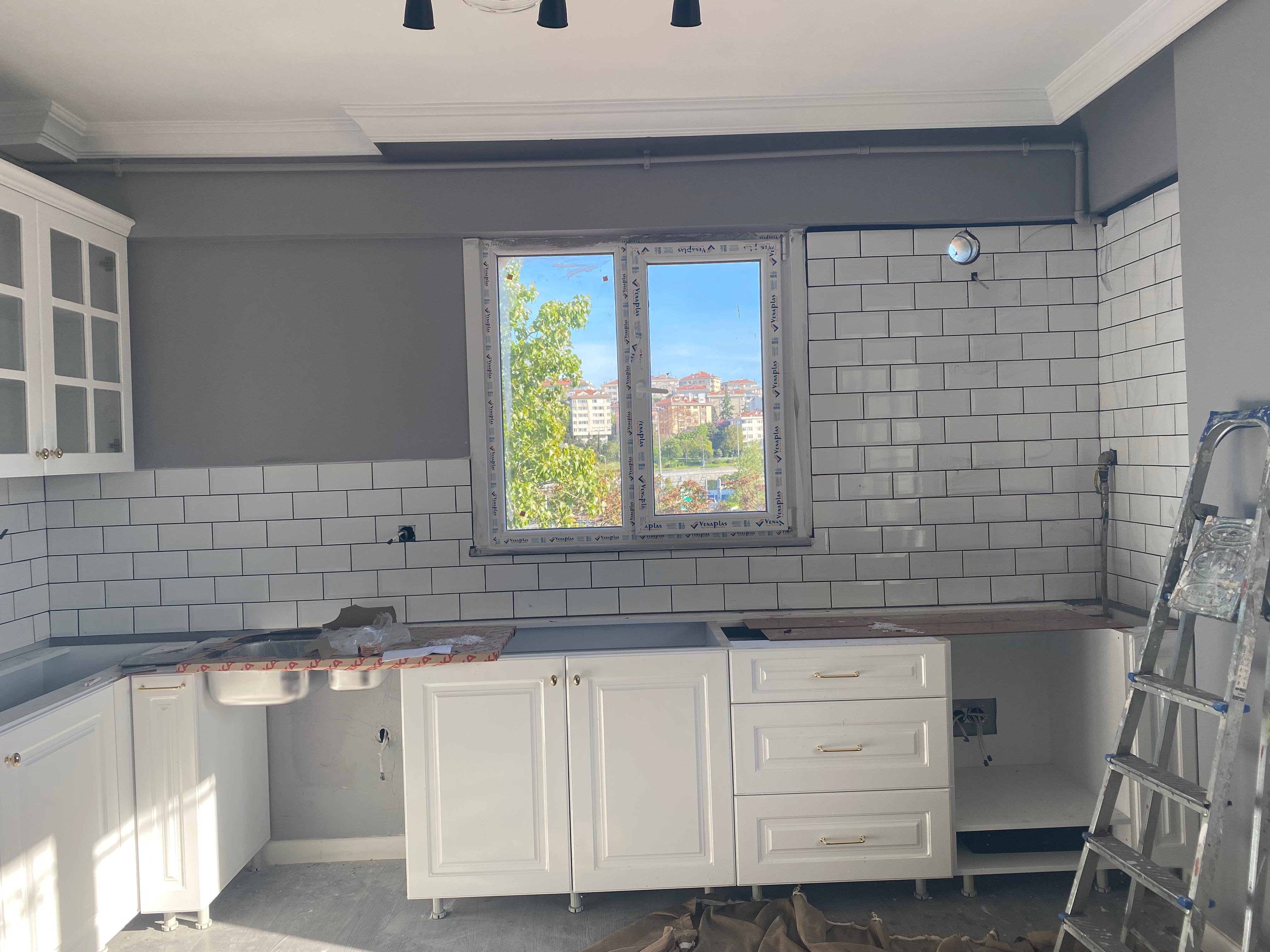
Demolition Stage: Correct Techniques and Considerations
Demolition is the first and most critical stage of the home renovation process. Incorrectly performed demolition work can damage the load-bearing system and require costly repairs.
Considerations in Demolition Work
1. Load-Bearing System Analysis
Before starting demolition work, the load-bearing system (column, beam, wall) must be identified. In old buildings in Üsküdar and Kadıköy, load-bearing walls can sometimes appear as interior walls.
Master's Note
To identify load-bearing walls, the building's plans must be examined. If plans are unavailable, the load-bearing system is identified through material tests (concrete test hammer). Load-bearing walls should never be touched!
2. Plumbing and Electrical Disconnection
Before demolition, water, electrical, and natural gas connections must be safely disconnected. In central areas like Şişli and Beşiktaş, coordination with building management is essential for this process.
3. Debris Removal Planning
In Istanbul, debris removal is an important cost item. In Kadıköy and Bakırköy, debris removal ranges from 800-1,200 TL per cubic meter. Debris removal planning should be done during the demolition stage.
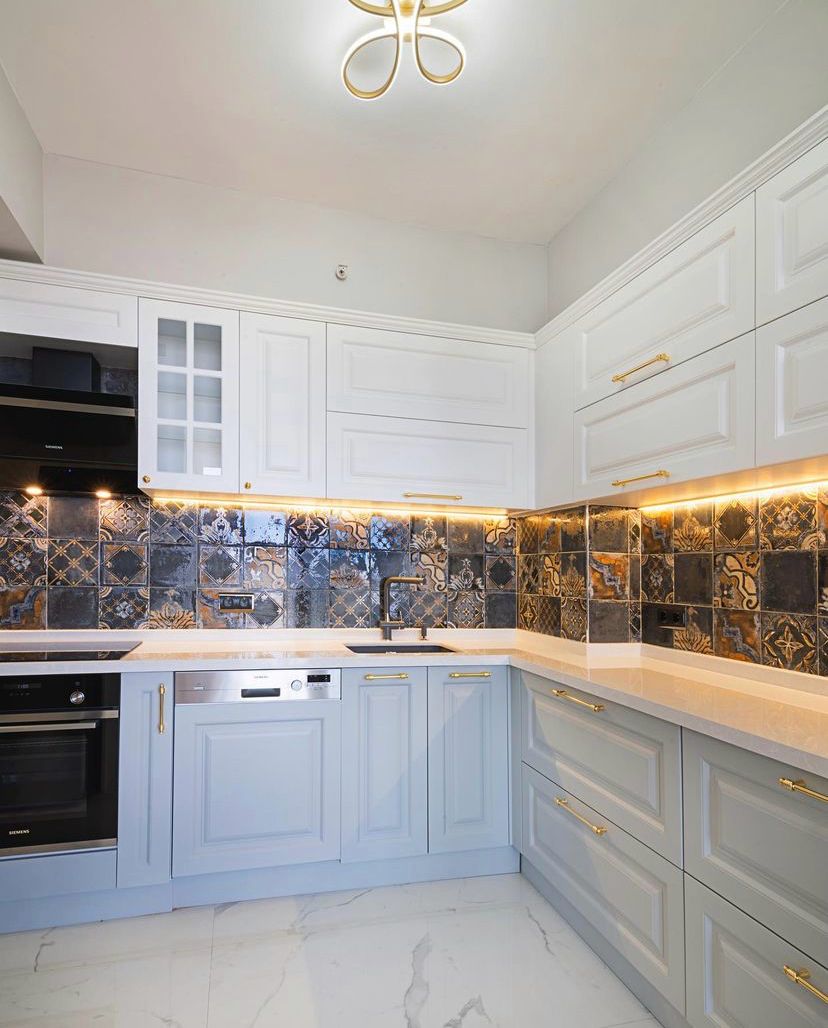
Screed Work: Difference Between Satin Plaster and Rough Plaster
In the screed stage, floor screed and wall plaster are applied. At this stage, understanding the difference between satin plaster and rough plaster is critically important.
Rough Plaster (Machine Plaster)
Rough plaster is the first layer applied to walls. Its functions:
- Leveling walls
- Creating a smooth surface
- Thickness is typically between 1-2 cm
In rough plaster application, machine plaster is preferred because it is faster and more economical. In old buildings in Üsküdar and Kadıköy, rough plaster thickness can reach 3-4 cm due to significant wall curvature.
Satin Plaster (Finishing Plaster)
Satin plaster is the final layer applied over rough plaster. Its functions:
- Creating a smooth, paintable surface
- Thickness is between 1-2 mm
- Applied by hand (cannot be applied by machine)
Master's Note
Before applying satin plaster, rough plaster must be dried (at least 3-5 days). If satin plaster is applied over wet rough plaster, cracks form and painting work fails.
In new buildings in Bakırköy and Şişli, only satin plaster can be applied because walls are flat. However, in old buildings, rough plaster must be applied first, then satin plaster.
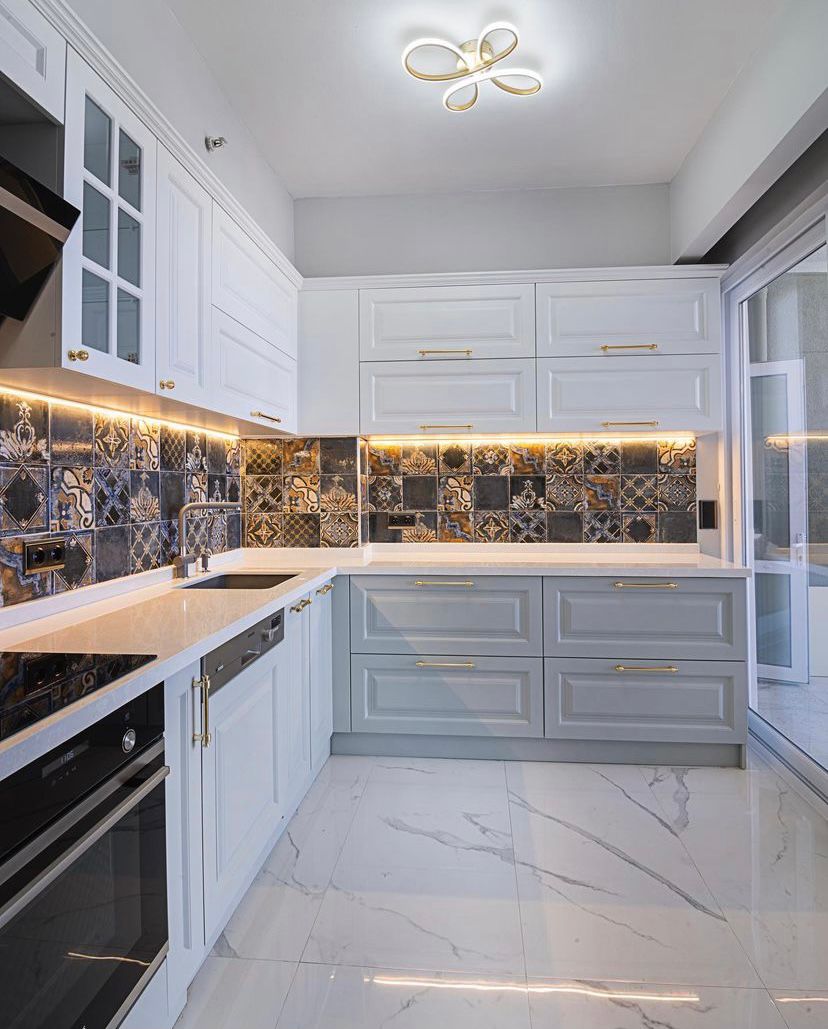
Floor Screed: Correct Thickness and Slope
Floor screed is applied before ceramic or parquet installation. Screed thickness:
- Minimum thickness: 3 cm
- Optimum thickness: 4-5 cm
- Maximum thickness: 7 cm (thicker screed causes cracking)
In screed application, waterproofing additive should be used. Especially in humid areas like Kadıköy and Bakırköy, XPS foam insulation should be placed under the screed.
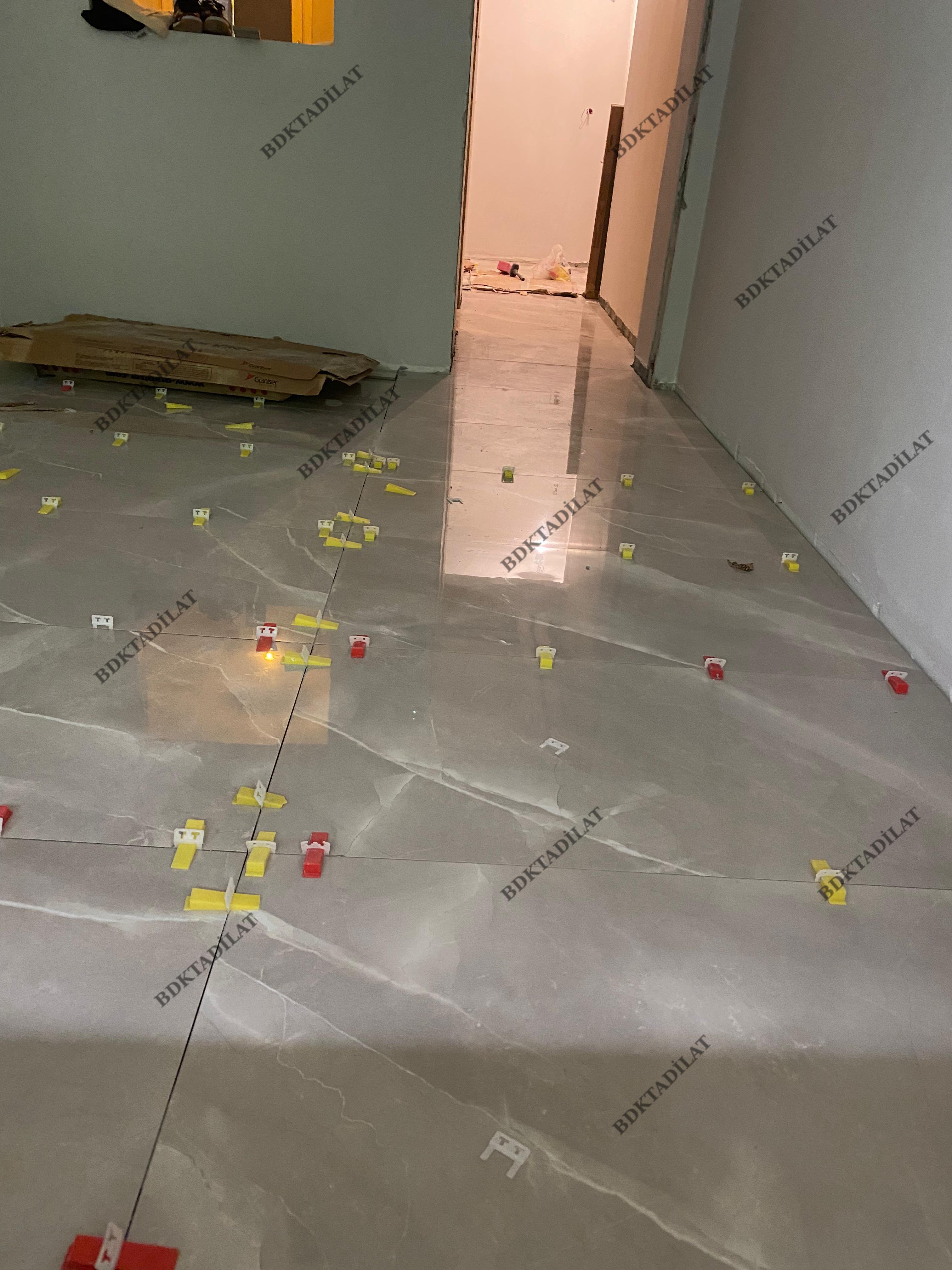
Plumbing Renovation: PPRC, Copper, and Waste Pipe Diameter Selection
In home renovation projects in Istanbul, plumbing renovation is one of the most critical stages. Wrong material selection or faulty installation leads to major problems in the future.
Water Plumbing: PPRC vs Copper Pipes
PPRC (Polypropylene Random Copolymer) Pipes
PPRC pipes are the most commonly used plumbing materials today. Advantages:
- Corrosion resistant: No corrosion issues like zinc pipes
- Easy installation: Joined by welding (fusion)
- Long-lasting: 50+ years service life
- Economical: 40-50% cheaper than copper pipes
PPRC pipe diameters:
- Main line (column): 32 mm or 40 mm
- Apartment interior line: 20 mm or 25 mm
- Sink, toilet connection: 16 mm or 20 mm
Master's Note
In PPRC pipes, welding (fusion) temperature should be 260°C. Welding at low temperature creates weak connections and causes water leakage.
Copper Pipes
Copper pipes are the premium solution. Advantages:
- Most durable: 100+ years service life
- Antibacterial: Preserves water quality
- High pressure resistant: Withstands pressure up to 25 bar
Copper pipe cost is 50-60% higher than PPRC. Copper pipes are preferred in luxury apartments in Beşiktaş and Şişli.
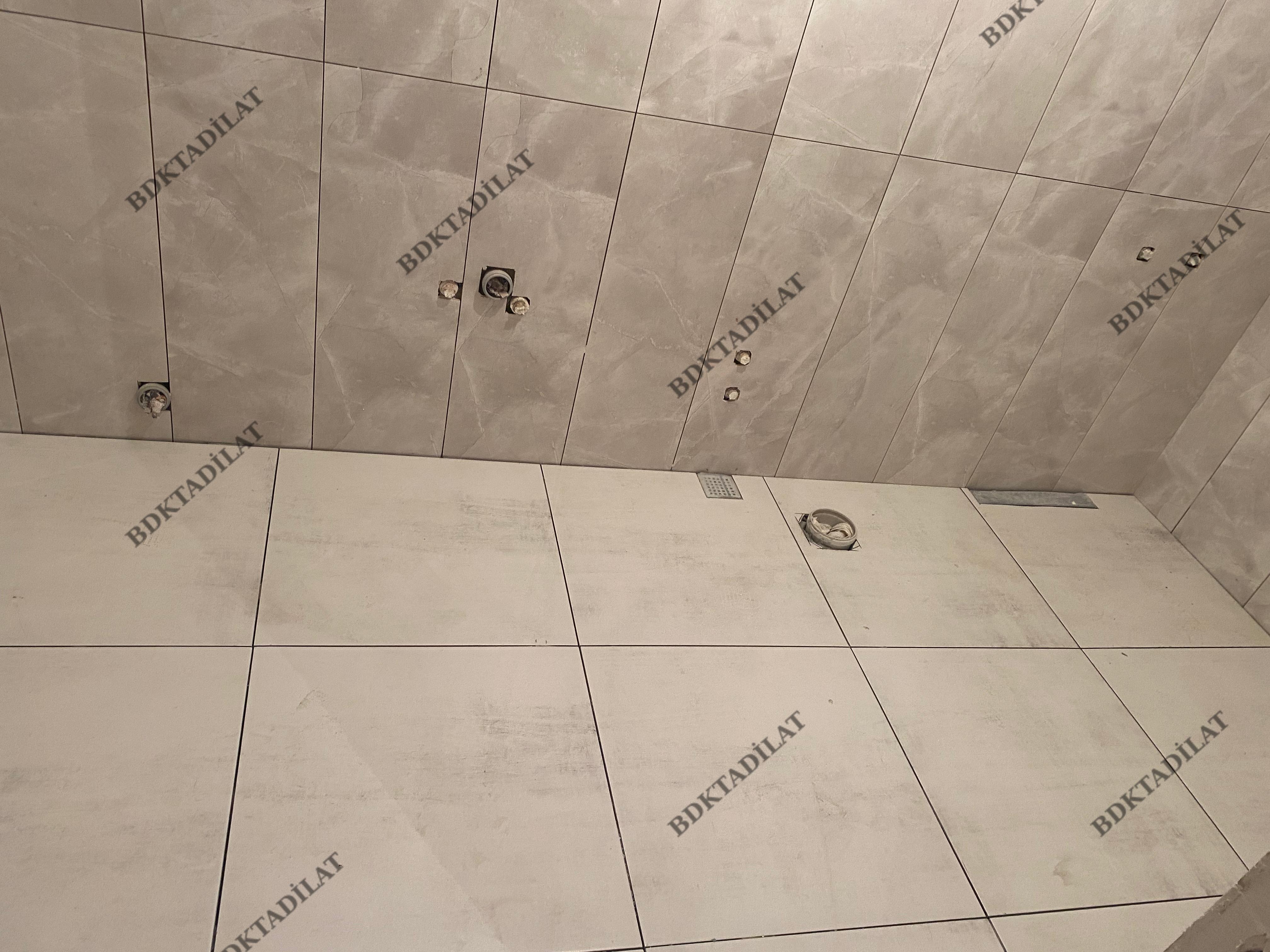
Waste Plumbing: Diameter Selection and Slope
In waste plumbing, correct diameter selection is critically important. Wrong diameter causes blockages.
Waste Pipe Diameter Selection
| Device | Minimum Diameter | Recommended Diameter |
| Sink | 32 mm | 40 mm |
| Shower, Bathtub | 40 mm | 50 mm |
| Toilet | 100 mm | 110 mm |
| Main Waste Line | 110 mm | 125 mm |
Master's Note
In waste plumbing, slope is very important. Minimum slope: 2% (2 cm slope / 1 meter length). Low slope causes blockages. High slope causes water and waste separation.
In old buildings in Kadıköy and Bakırköy, waste plumbing is typically 80-100 mm diameter. These diameters are insufficient by today's standards and must be renewed.
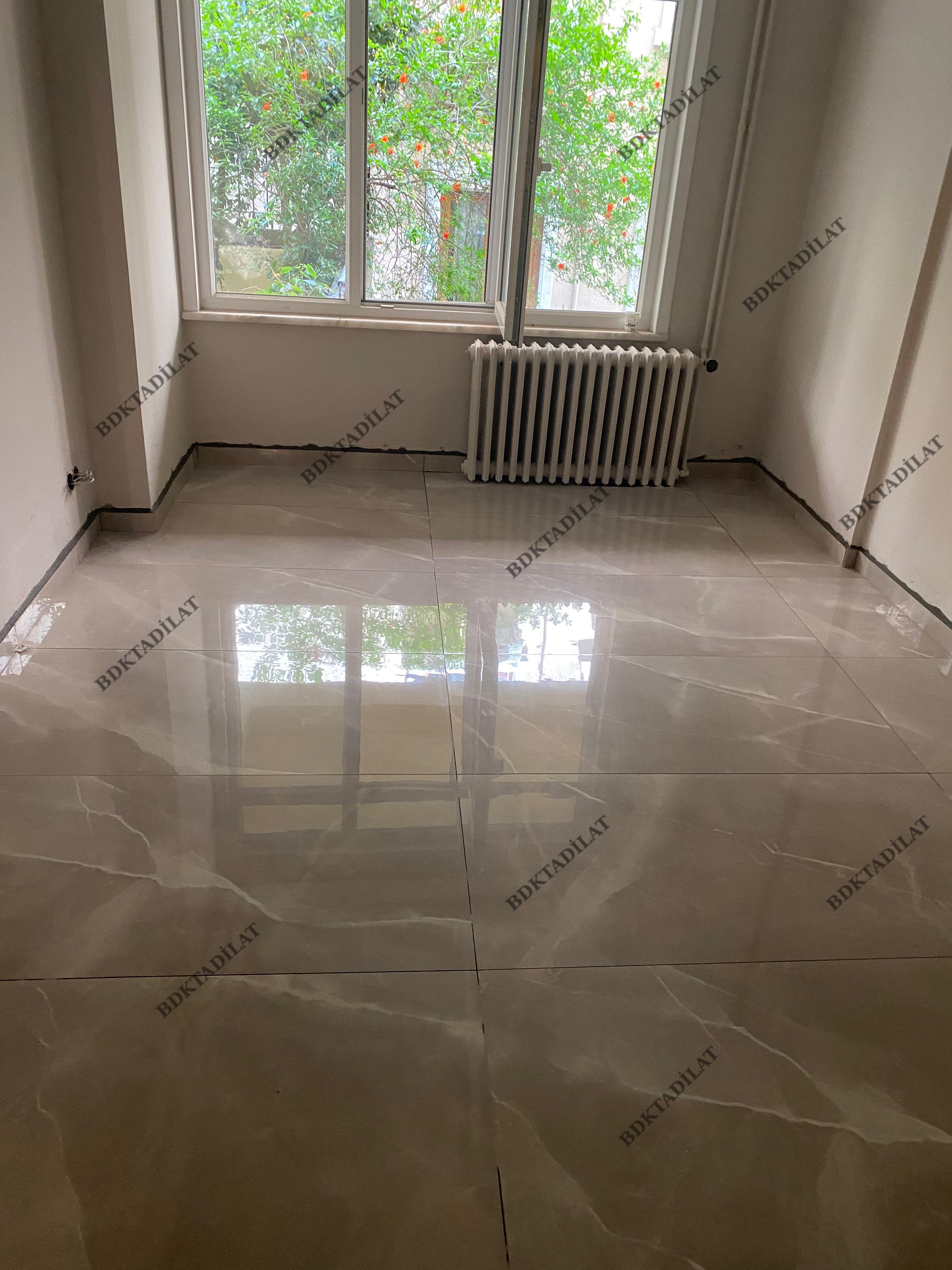
Electrical Installation: 3-Phase System and Grounded Outlets
In home renovation projects in Istanbul, electrical installation must be renewed. Electrical installations in old buildings cannot meet today's needs.
Electrical Panel and Wiring
- 3-Phase System: Essential for high-power devices like air conditioners and dishwashers
- Grounded Outlets: Must be used for safety
- Residual Current Device (RCD): Essential for life protection (30 mA sensitivity)
In old buildings in Şişli and Beşiktaş, electrical panel renovation cost ranges from 15,000 - 30,000 TL.
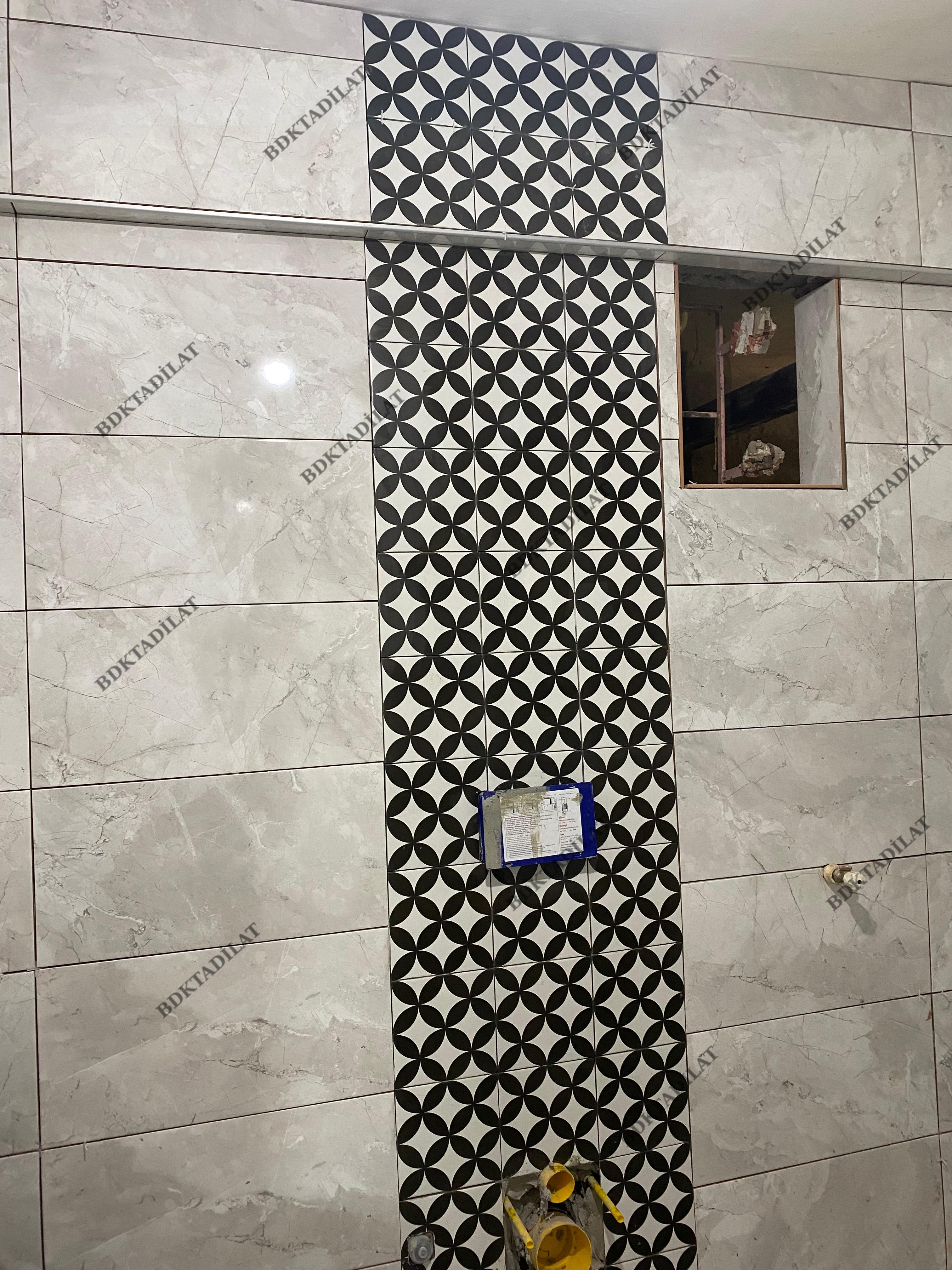
Ceramic and Parquet Installation: Material Selection and Application Techniques
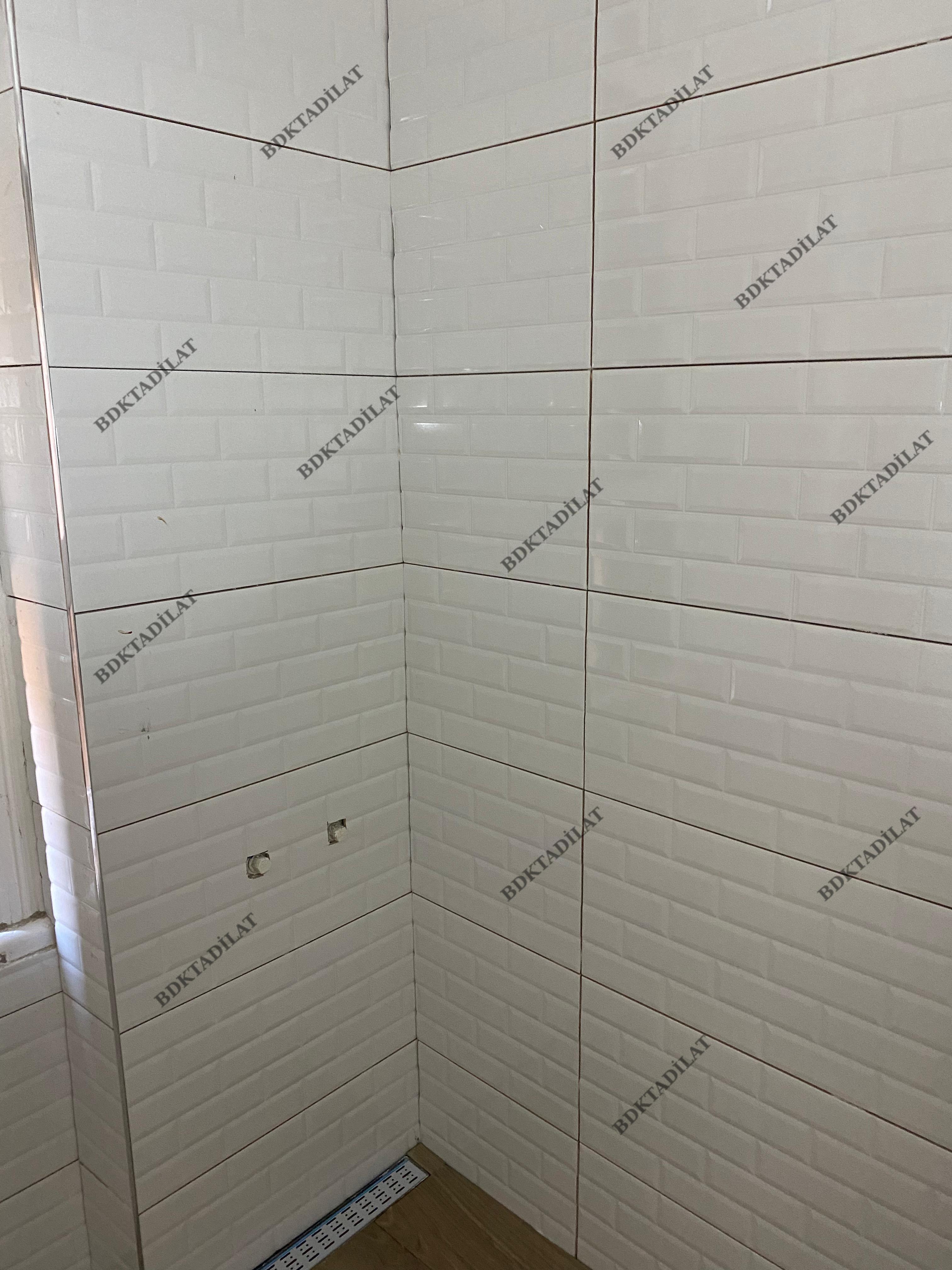
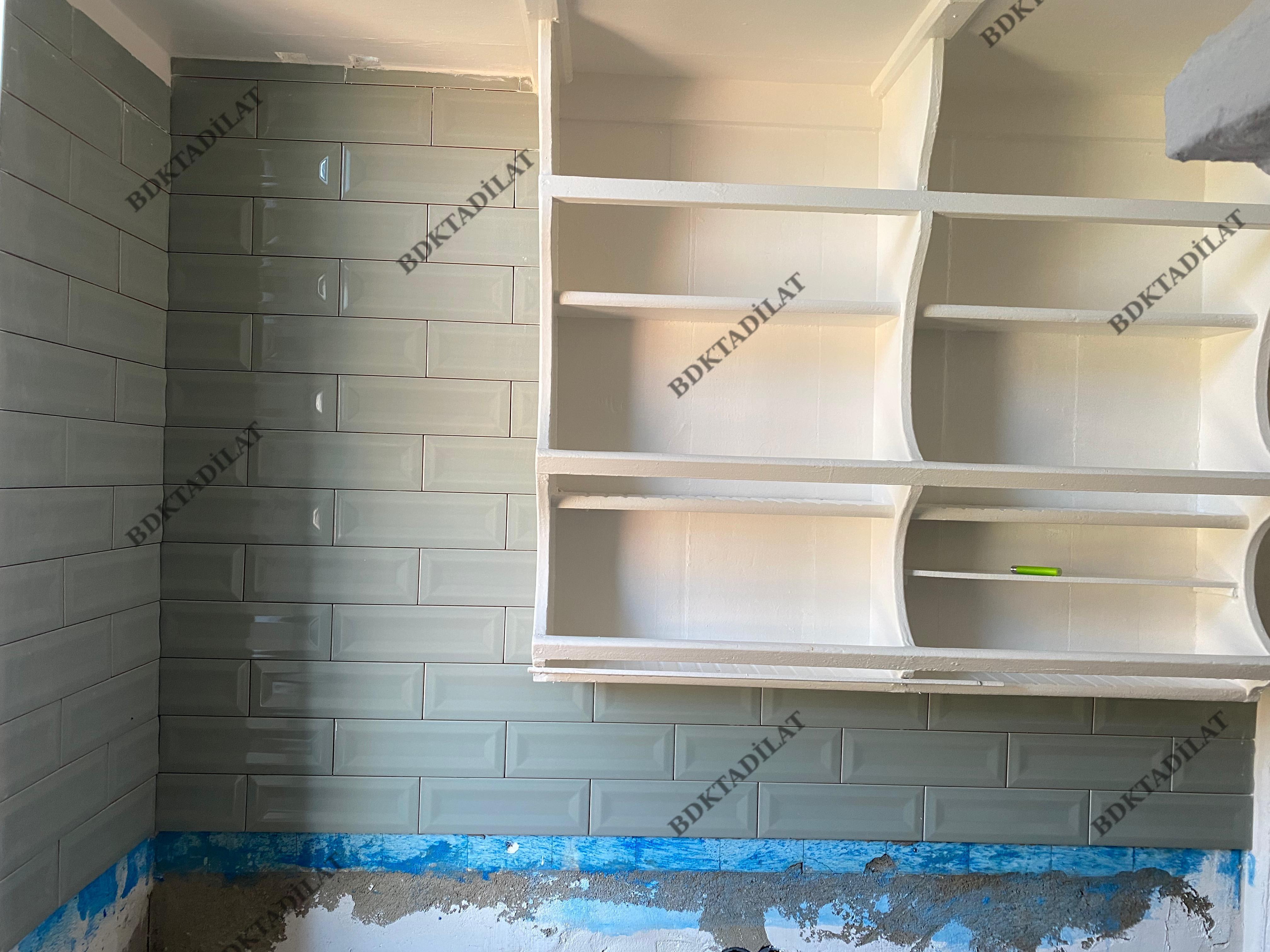
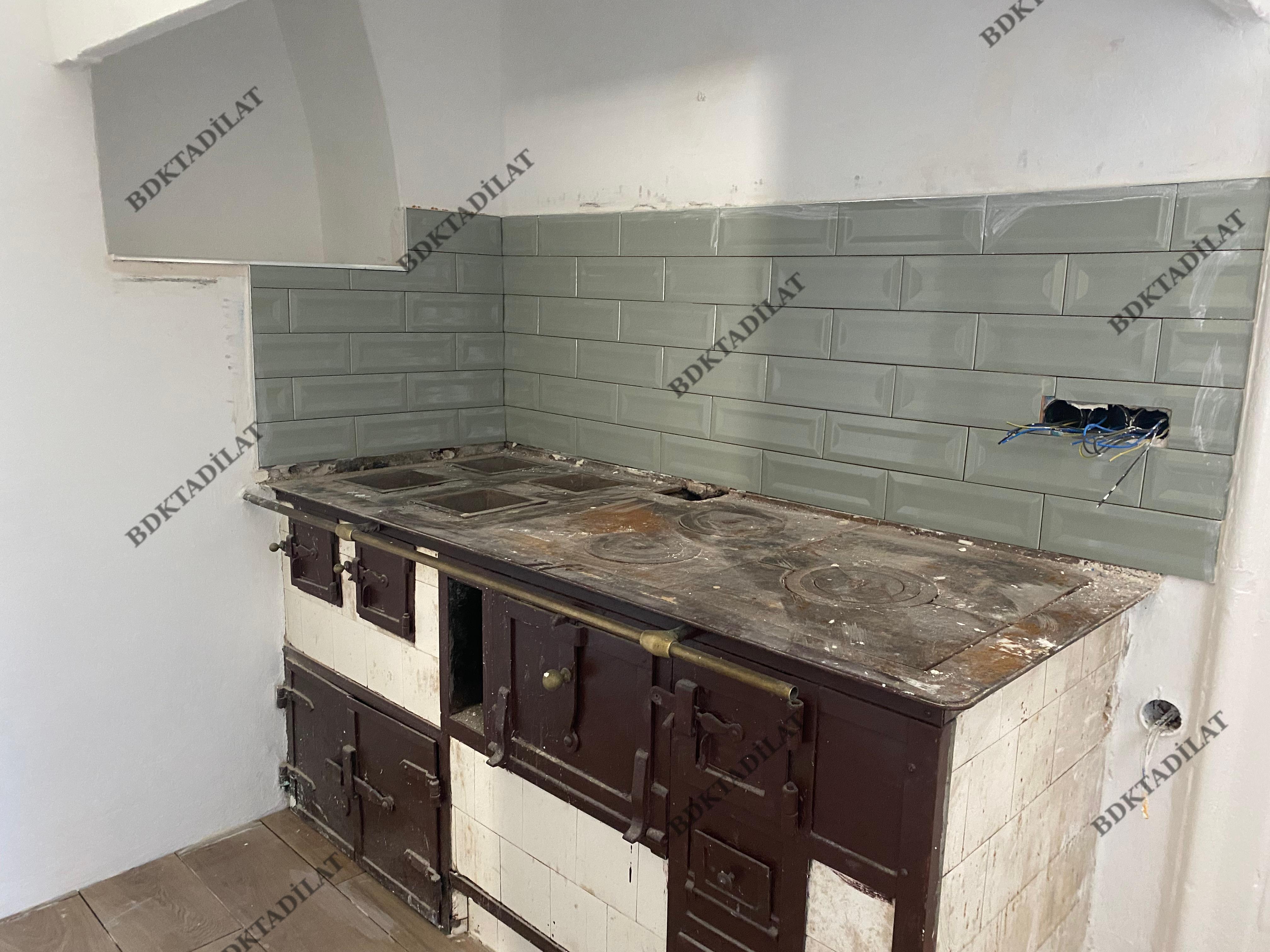
Ceramic Installation: Porcelain vs Standard Ceramic
Porcelain Ceramic
Porcelain ceramic has over 99% waterproofing rate. Advantages:
- Waterproof: Ideal for bathrooms and kitchens
- Durable: Resistant to scratching and staining
- Large format: Available in 60x120 cm and larger sizes
In modern apartments in Kadıköy and Üsküdar, large format porcelain ceramics are preferred. Price per square meter: 200 - 800 TL (depending on brand and quality).
Standard Ceramic
Standard ceramic is a more economical option. Waterproofing rate: 85-95%. Price per square meter: 50 - 200 TL.
Master's Note
In ceramic installation, joint width should be 2-3 mm. Narrow joints (1 mm) lead to cracking due to thermal expansion. Wide joints (5 mm+) look visually poor and make cleaning difficult.
Parquet Installation: Laminate vs Engineered Parquet
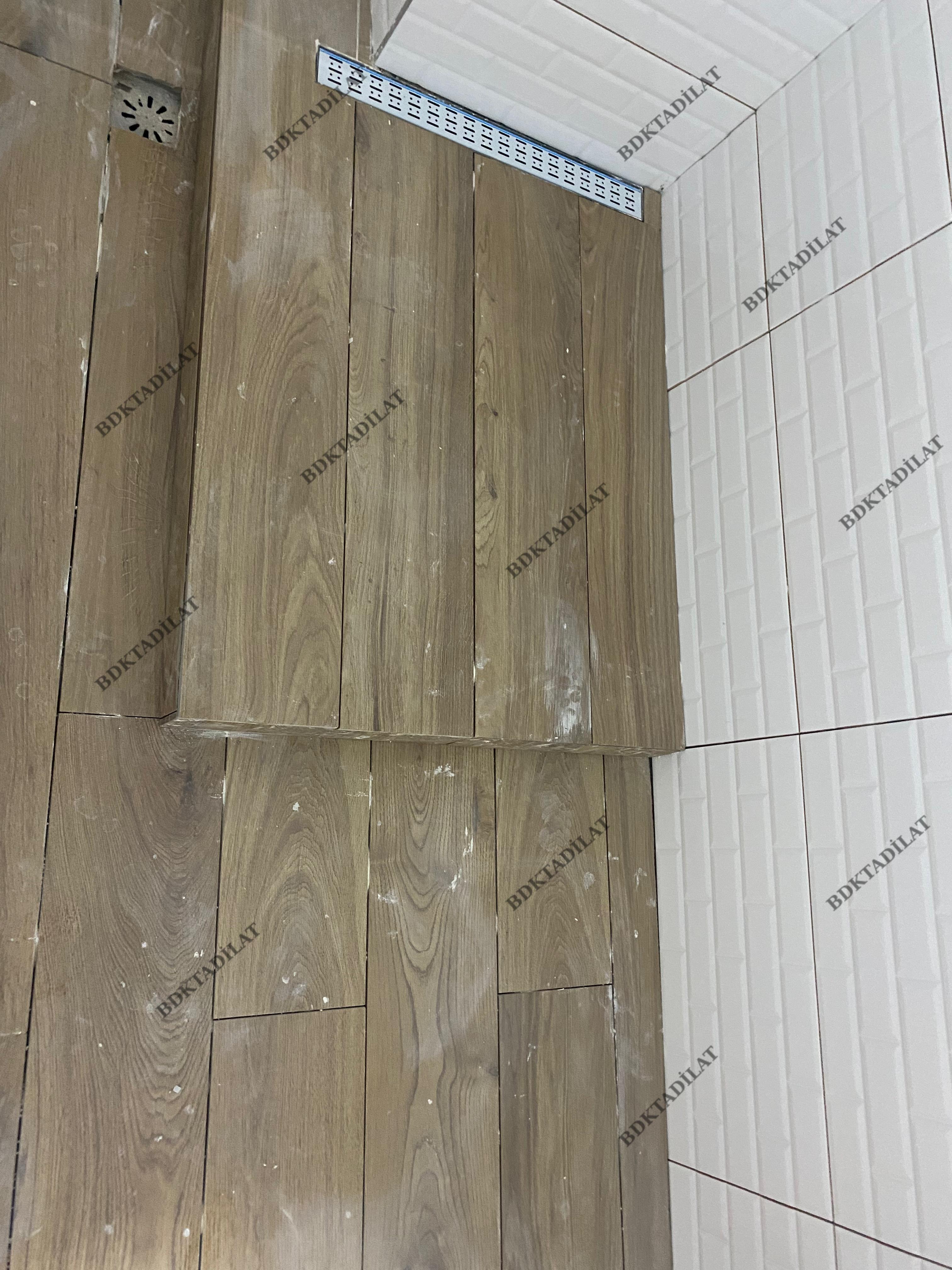
Laminate Parquet
Laminate parquet is an economical and practical option. Advantages:
- Economical: Price per square meter 80 - 300 TL
- Easy installation: Lock system, quick installation
- Easy maintenance: Wipeable, stain-resistant
Frequently preferred in mid-segment apartments in Bakırköy and Kadıköy.
Engineered Parquet
Engineered parquet is a system with solid wood top layer and plywood bottom layer. Advantages:
- Natural appearance: Solid parquet appearance
- Sandalble: Can be sanded 2-3 times
- Moisture resistance: Plywood bottom layer is unaffected by moisture
Price per square meter: 300 - 1,200 TL. Preferred in premium apartments in Şişli and Beşiktaş.
Painting Work: Primer, Top Coat, and Correct Application
Painting work is the final stage of the home renovation process. However, it is one of the most important stages because it determines the visual result of all work.
Importance of Primer: Why Should Primer Be Used?
Primer is the first layer applied before top coat paint. Its functions:
- Surface leveling: Covers small cracks and imperfections
- Reducing absorbency: Reduces absorption of top coat paint
- Color equalization: Provides color consistency on different surfaces
- Increasing adhesion: Increases adhesion of top coat paint
Master's Note
Before applying primer, satin plaster must be sanded (180-220 grit sandpaper). If primer is applied without sanding, rough surface remains and paint quality decreases.
In old buildings in Üsküdar and Kadıköy, 2 coats of primer may be needed because walls are absorbent.
Top Coat Paint: Plastic Paint vs Silicone Paint
Plastic Paint
Plastic paint is an economical and common option. Advantages:
- Economical: Low cost per square meter
- Easy application: Applied with brush or roller
- Quick drying: Dries in 2-4 hours
Disadvantages:
- Not moisture resistant: Cannot be used in bathrooms and kitchens
- Not wipeable: Stains, cannot be wiped
Silicone Paint
Silicone paint is the premium solution. Advantages:
- Moisture resistant: Can be used in bathrooms and kitchens
- Wipeable: Stain-resistant, wipeable
- Breathable: Allows wall to breathe
- Mold preventive: Prevents mold formation
Price per square meter: 30-40% more expensive than plastic paint. Preferred in luxury apartments in Beşiktaş and Şişli.
Home Renovation Costs: 2026 Current Prices
Home renovation costs in Istanbul vary according to district and material quality.
Complete Home Renovation (2+1 Apartment, 90 m²)
| District | Premium Segment | Standard Segment |
| Beşiktaş, Şişli | 900,000 - 1,200,000 TL | 600,000 - 800,000 TL |
| Üsküdar, Kağıthane | 650,000 - 850,000 TL | 450,000 - 650,000 TL |
Partial Renovation Costs
- Demolition (90 m²): 35,000 - 55,000 TL
- Plumbing Renovation (Water + Electrical): 55,000 - 95,000 TL
- Ceramic Installation (60 m²): 18,000 - 150,000 TL
- Parquet Installation (60 m²): 15,000 - 72,000 TL
- Painting Work (90 m²): 20,000 - 45,000 TL
Frequently Asked Questions (FAQ)
How long does home renovation take?
Complete home renovation takes an average of 8-12 weeks for a 2+1 apartment. Partial renovations are completed in 4-6 weeks.
Can I stay in the apartment during demolition?
During demolition work, staying in the apartment is not recommended due to dust, noise, and water/electrical interruption.
Which materials should I prefer?
Material selection varies according to budget and usage purpose. Mid-segment is preferred in areas like Kadıköy and Bakırköy, premium segment in areas like Beşiktaş and Şişli.
Conclusion: Get Professional Support
The home renovation process in Istanbul is a comprehensive process requiring expertise. With over 15 years of experience in Kadıköy, Bakırköy, Üsküdar, Şişli, Beşiktaş, and all Istanbul districts, we are by your side.
By booking a free site visit appointment, you can get detailed cost analysis and technical recommendations for your project. Free Architectural Site Visit Line: 0501 022 33 75
