Introduction: The Invisible Foundation of Architecture
For an architect, design is not just a visual composition but a matter of physical resilience. The permanence of aesthetic form depends on the success of the technical infrastructure that protects it from external factors. In this article, Architect İsmail Çubukçu examines the engineering details of insulation layers and high-tech components that define "building health" in modern architecture.
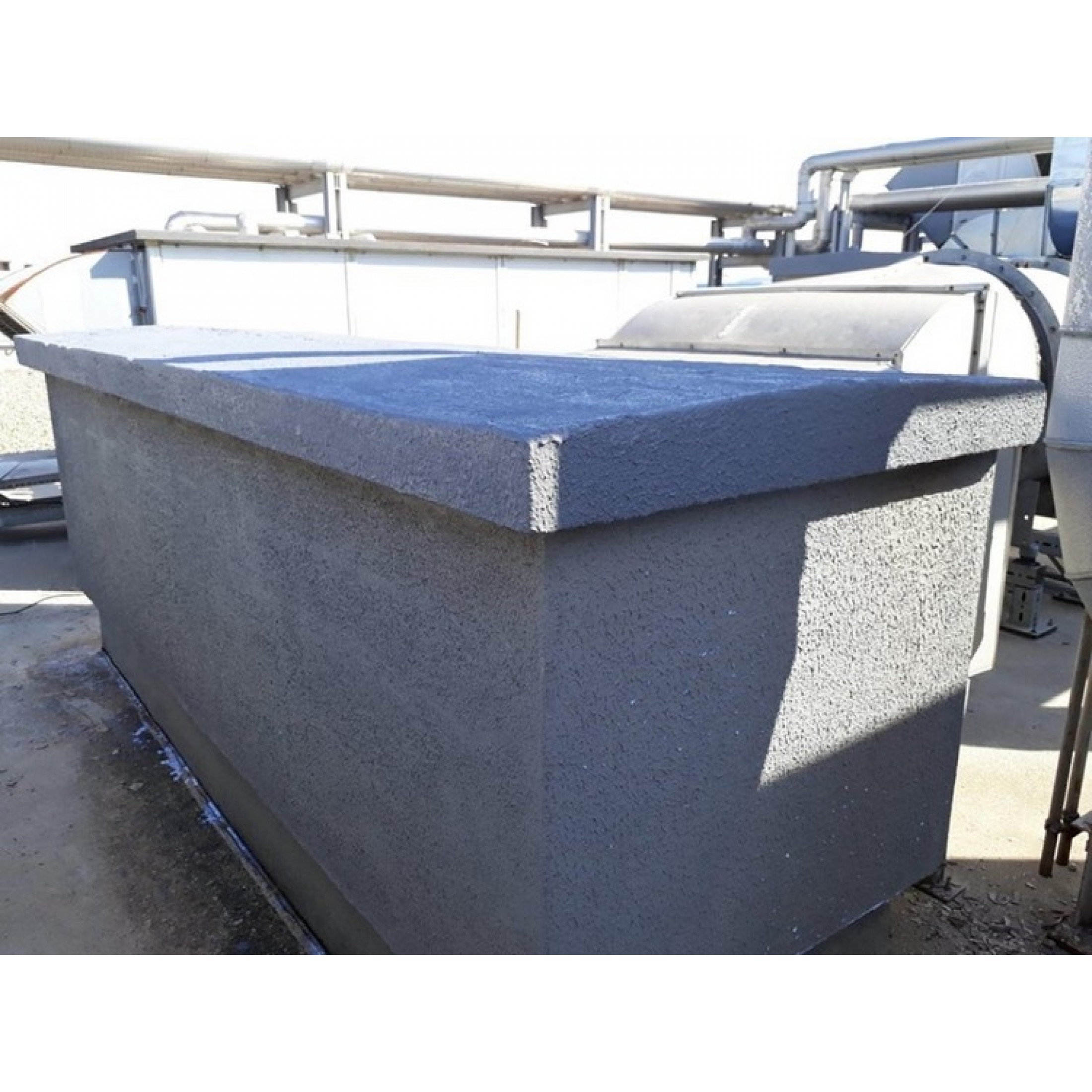
Structural Protection and Corrosion Control
The biggest threat to reinforced concrete structures is moisture seeping through concrete pores to reach the reinforcement steel. In humid coastal climates like Istanbul, "corrosion" insidiously reduces the load-bearing capacity of the structure. As a technical necessity, cutting off the building shell's contact with water at the molecular level is vital.
Technological Components: ISONEM MS 82 and MS Polymer
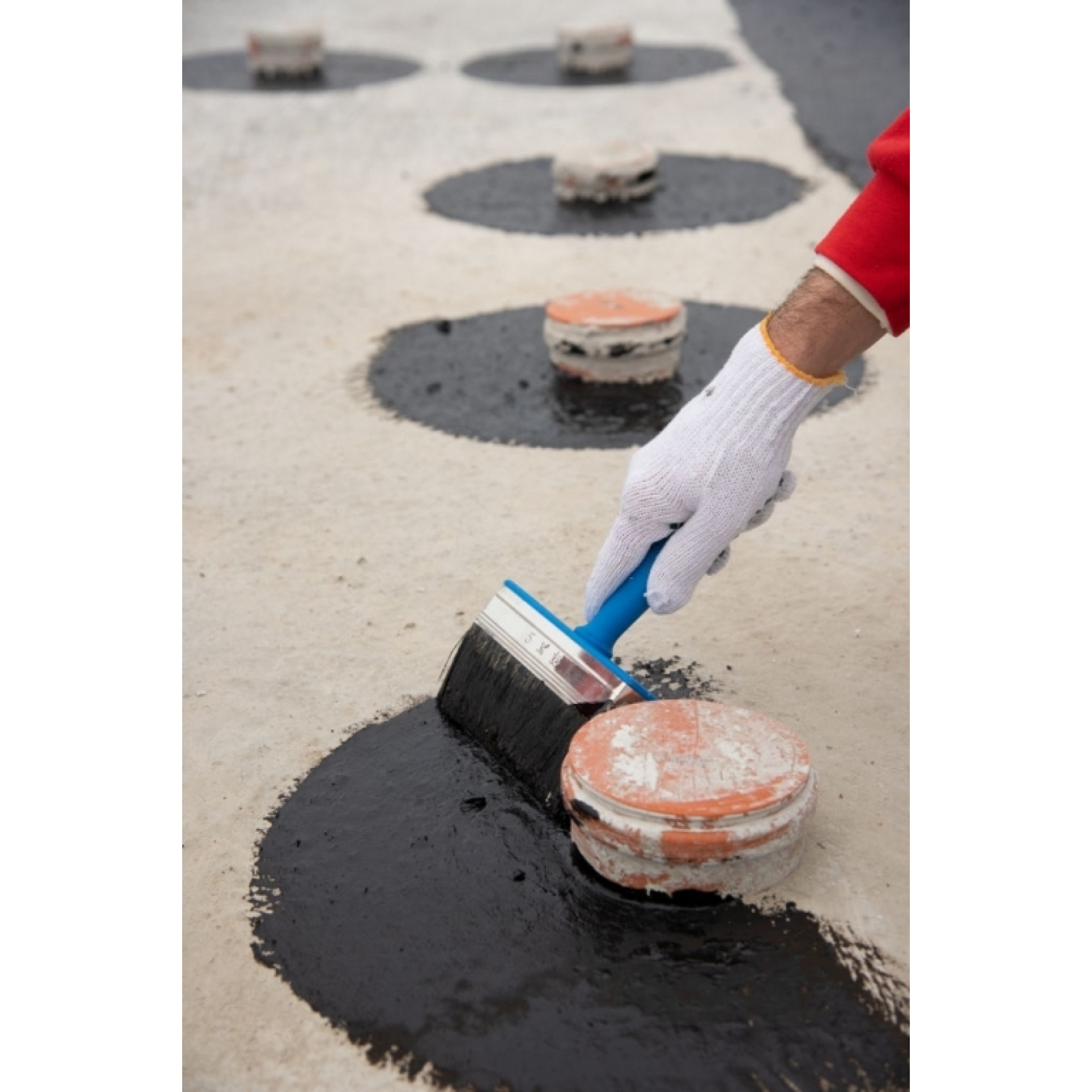
Traditional waterproofing methods often quickly lose their elasticity. Instead, the use of thermoplastic resin-based components (such as ISONEM MS 82) blocks water from both negative and positive directions while allowing the concrete to breathe. Especially in terrace and roof details, the application of seamless hybrid polymers creates a shield resistant to thermal expansion. This is the most critical intervention that structurally guarantees the lifespan of the architectural project.
Energy Architecture: Elimination of Thermal Bridges
Sustainability in modern architecture is measured not only by solar panels but by passive insulation success. Thermal bridges are the weakest points that sabotage a building's energy efficiency.
Next-Generation Approaches in Thermal Insulation
In addition to traditional cladding systems, thermal coatings with ceramic micro-sphere technology stand out with their ability to reflect radiant heat. The fact that insulation exhibits uninterrupted continuity not only on the exterior facade but also in attic and sub-foundation details is the fundamental engineering achievement that determines the comfort coefficient of modern housing.
Acoustic Engineering: The Architecture of Silence
The most important component of a luxury space is silence isolated from the outside world. Spatial acoustics is achieved not by the thickness of walls but by the correct combination of sound-absorbing materials between layers. In 2026 standards, sound insulation is no longer an option but a structural identity.
Architect's Insight (İsmail Çubukçu)
> "As an architect, balancing aesthetics with technique in my projects is my primary duty. If a villa's terrace leaks or dampness forms on its walls, no design detail there can be considered flawless. Therefore, the use of technological products with proven technical authority in insulation solutions is the most important criterion for a project to be classified as 'quality architecture.'"
Conclusion: Lasting and Healthy Structures
Extending the lifespan of a structure is possible with correct technical diagnosis and proper material selection. Every stage from waterproofing to thermal insulation must be managed with engineering discipline and implemented with a "zero error" principle. The architecture of the future can only rise on a solid and protected infrastructure.
For professional inspection and technical consultation, contact us at 0501 022 33 75.
